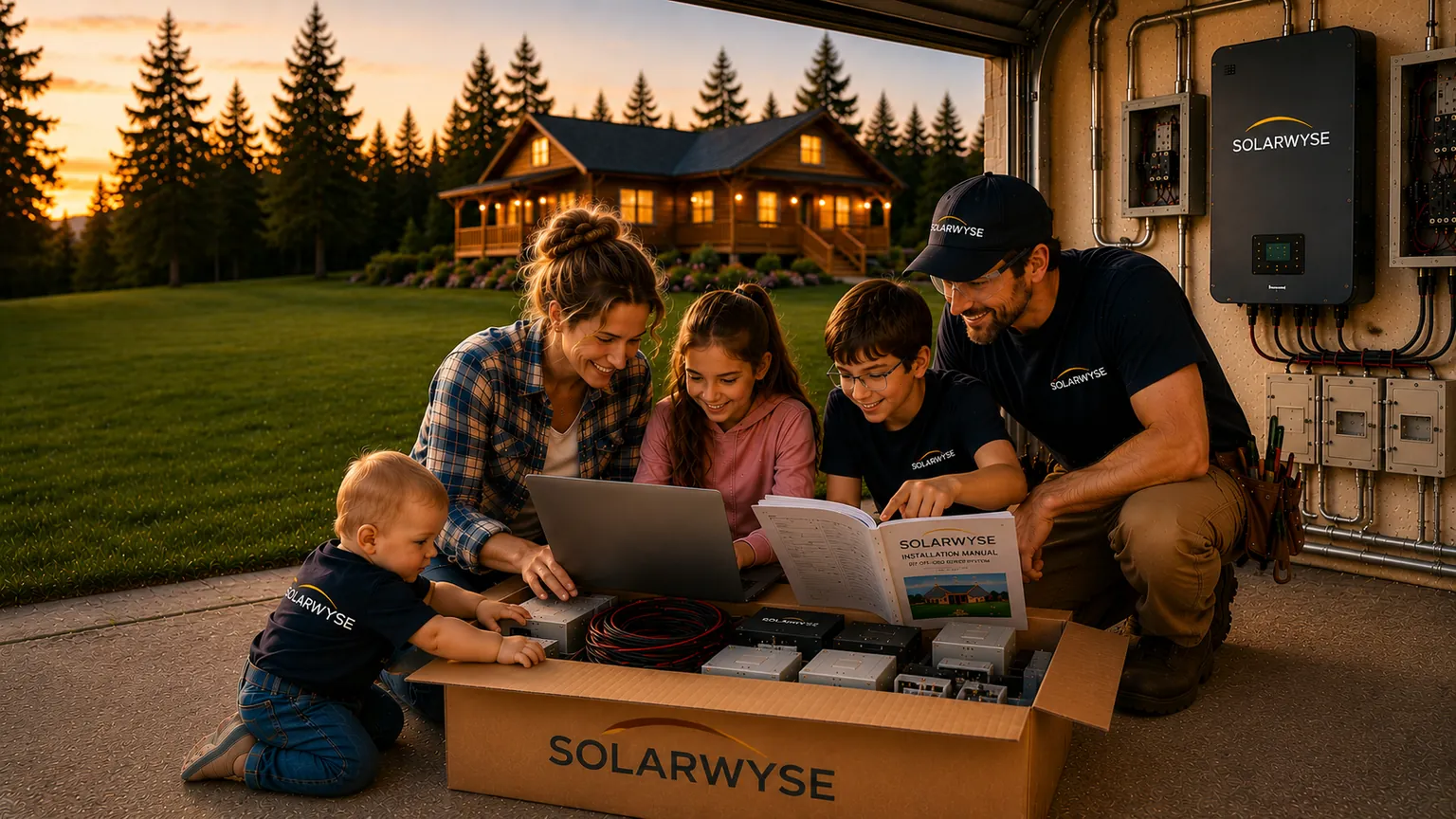

Safe. Code-Compliant.
DIY Solar Power Kits
At Solarwyse, we provide Western Canadian homeowners with safe, code-compliant off-grid power systems they can install themselves, understand, and take pride in.
Proudly Canadian. Established 2008.
Not sure which system fits your site?
Tell us about your project and we'll put together a no-pressure quote.
Going Off-Grid?
Here's What You Need to Know
It's not as complicated as you might think. Larry and his wife moved to a 15-acre plot near Beaverlodge, Alberta in 2005. They set up their own solar system and proved that a carefully sized setup can keep household power practical through a Western Canadian winter.
The key is getting the system sized right. Too small and you'll run your generator constantly. Too big and you've wasted money. The real issue is usually batteries, not panels.
All our kits ship with CSA-certified components from brands like Victron. Larry's system has handled -40°C winters for almost 20 years now.
Still have questions? Call us. Larry's been explaining this stuff for 20 years. He'll tell you if solar makes sense for your situation—and if it doesn't, he'll say so.
Products & Services
We've shipped to Nunavut twice. If we can get a system there, we can get one to you. Each kit arrives ready to install with instructions and phone support.
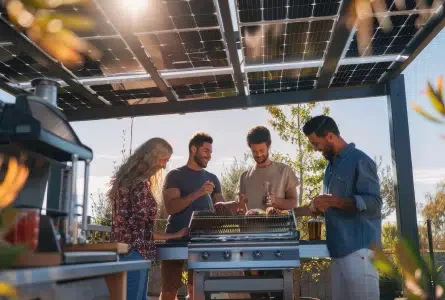
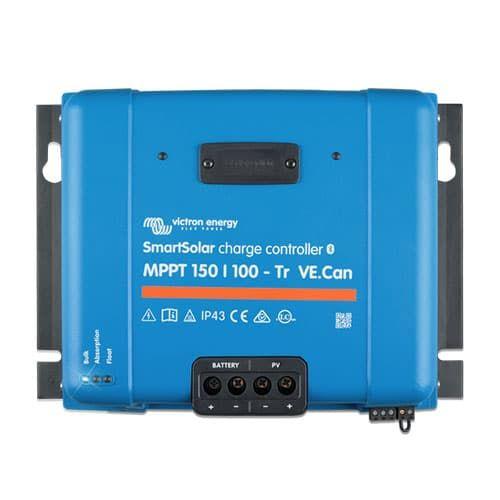
Pre-configured kits for cabins, homes, and RVs. Everything's matched and tested together—panels, batteries, inverter, charge controller. Pick a package that fits your power needs, or call us and we'll build something custom.


Call us when you're stuck. Seriously. We'll walk you through troubleshooting, help your electrician understand the system, or figure out why your batteries aren't charging right. No ticket system, no call center—you get Larry or someone who actually knows solar.

Featured Products
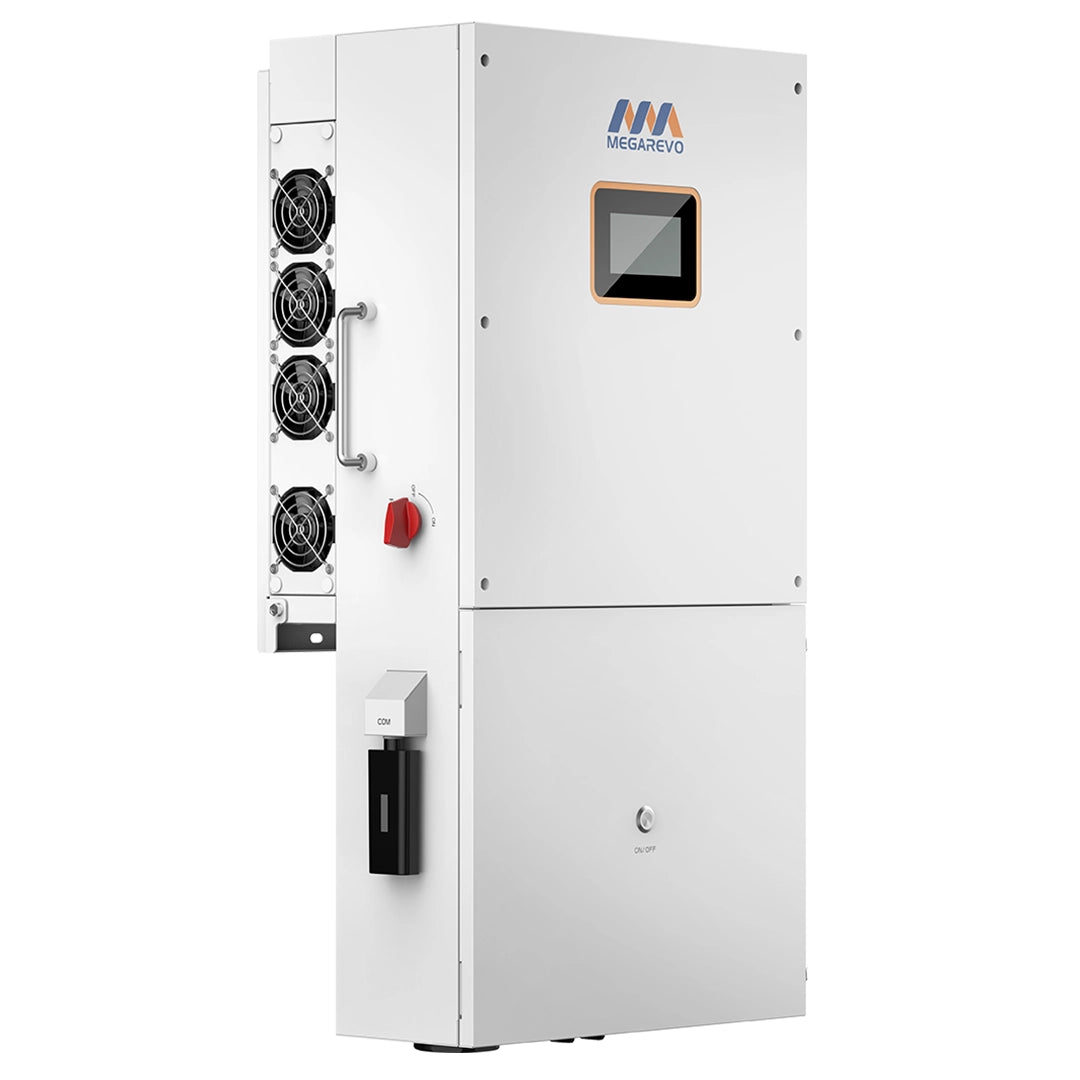
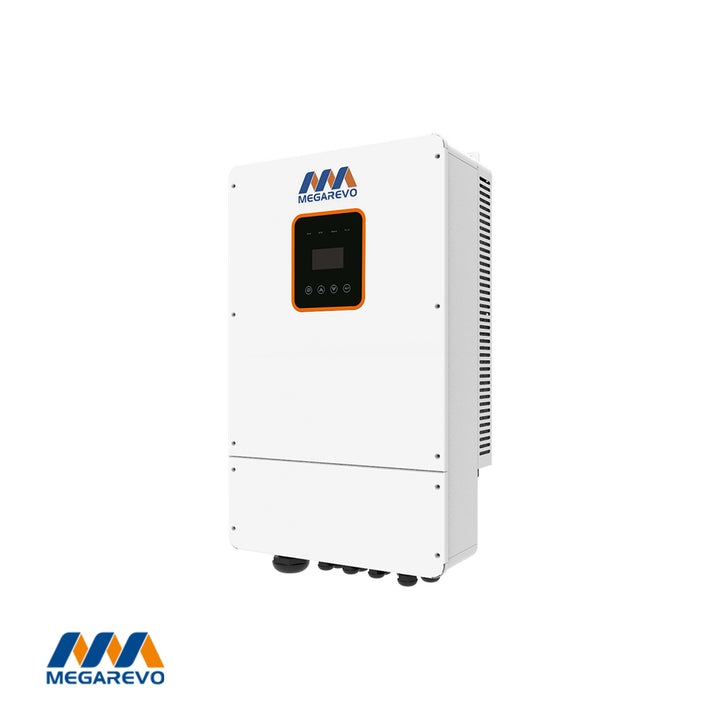
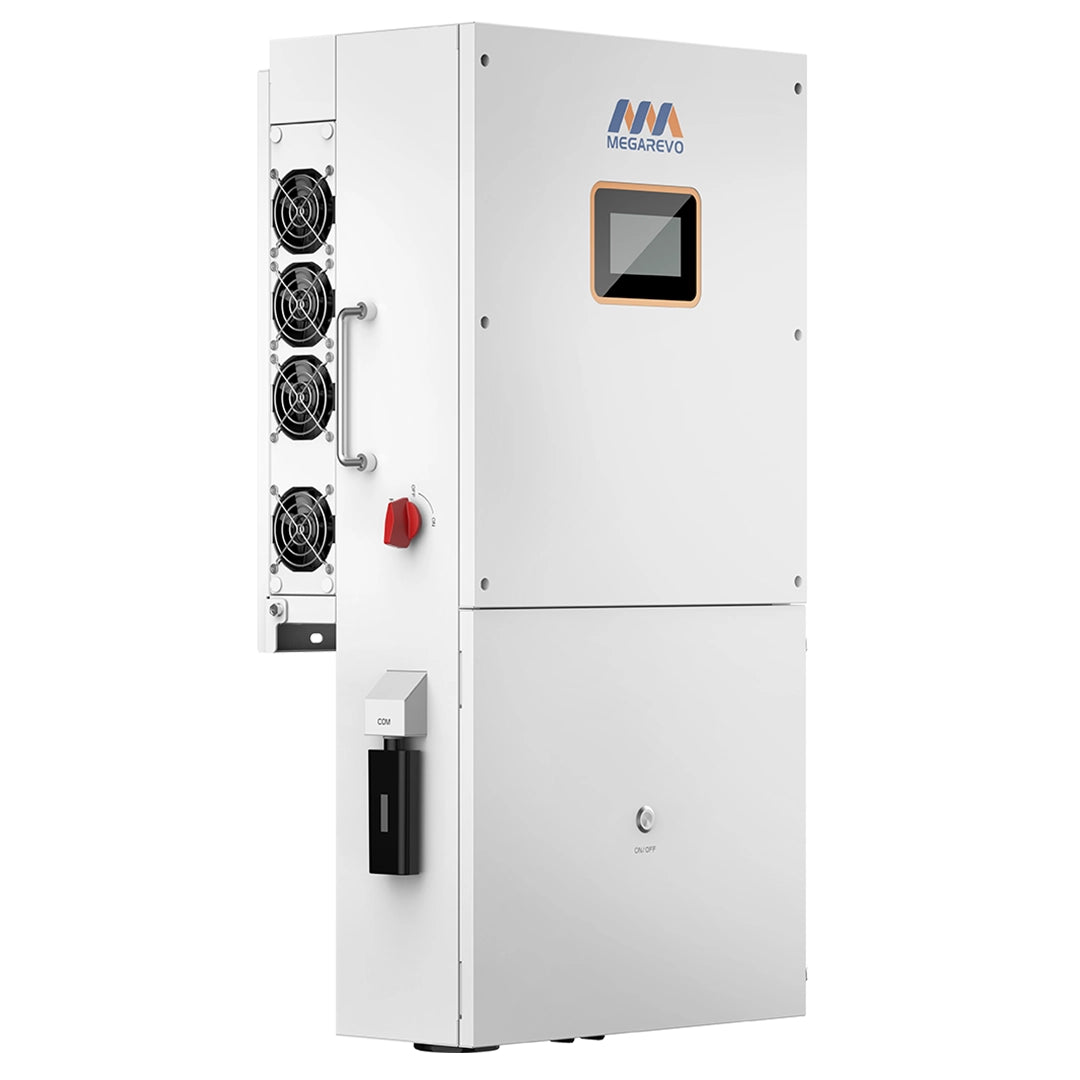
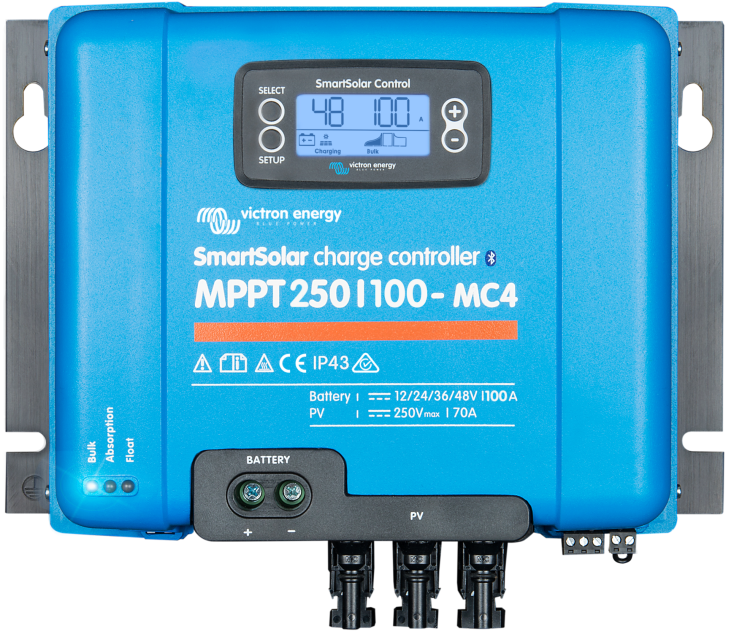
Explore our most popular off-grid solar solutions, hand-picked for quality and performance.
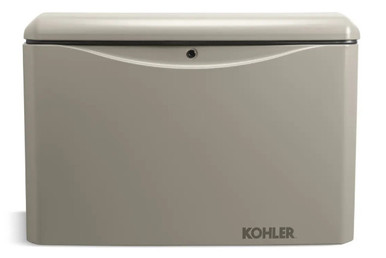
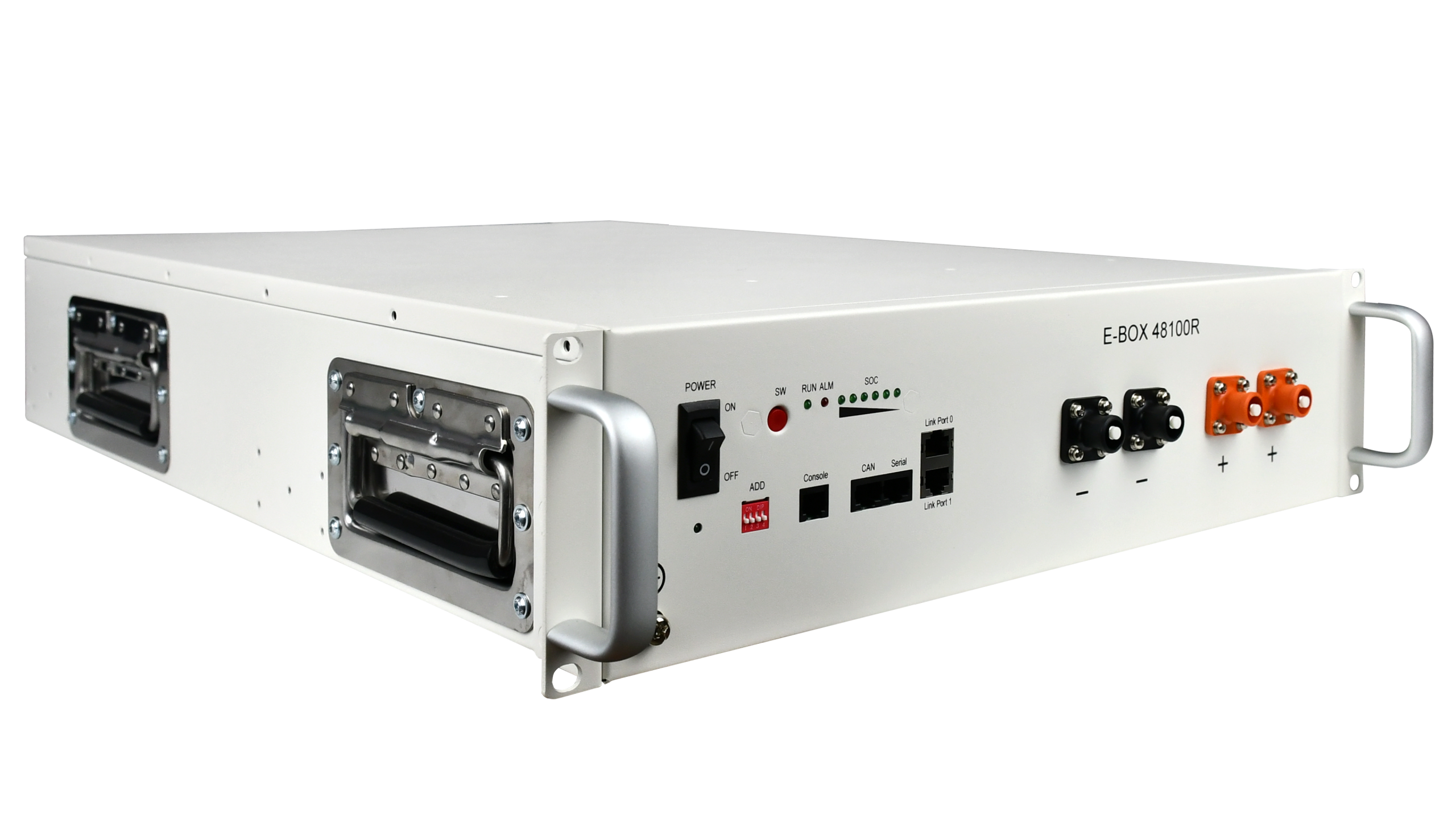
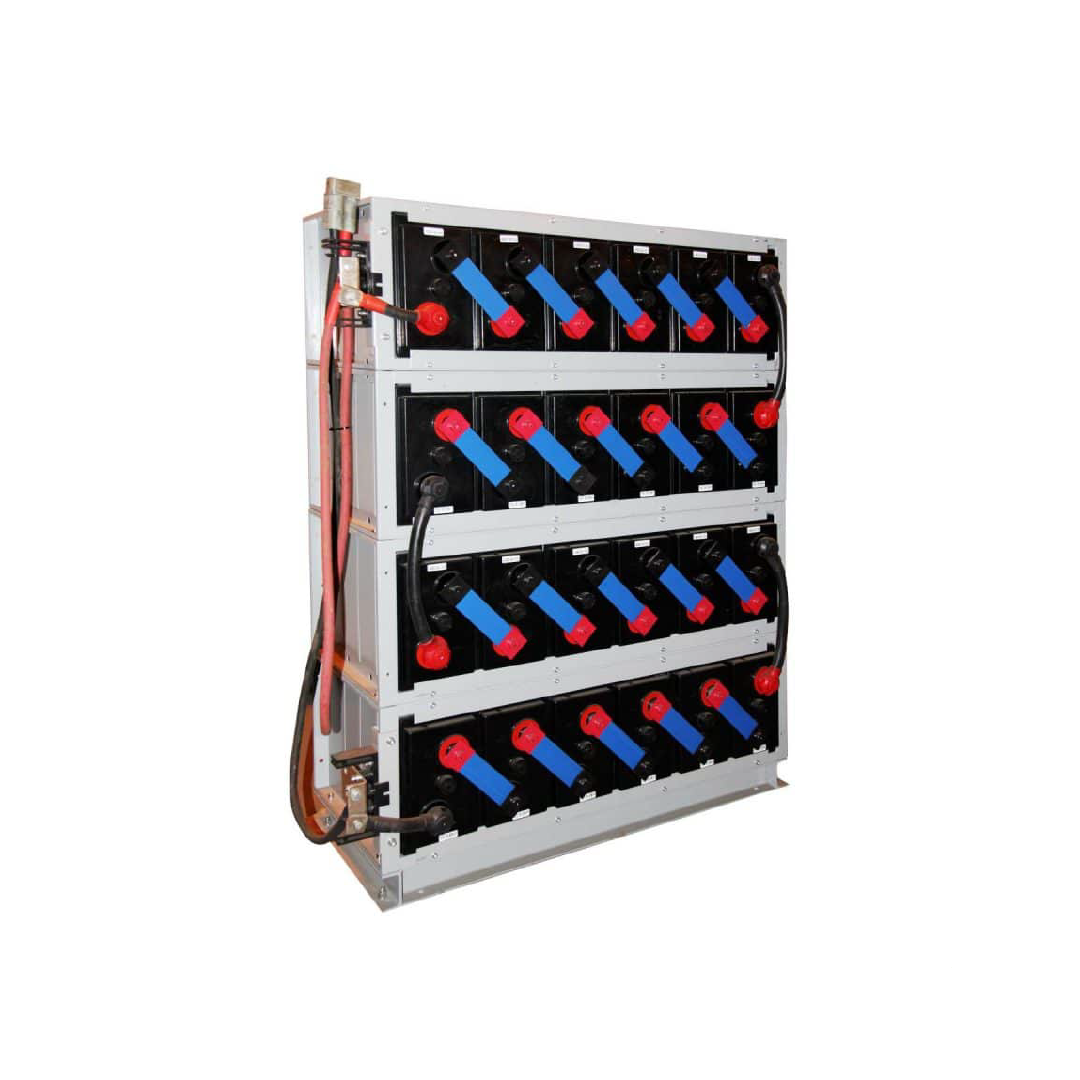
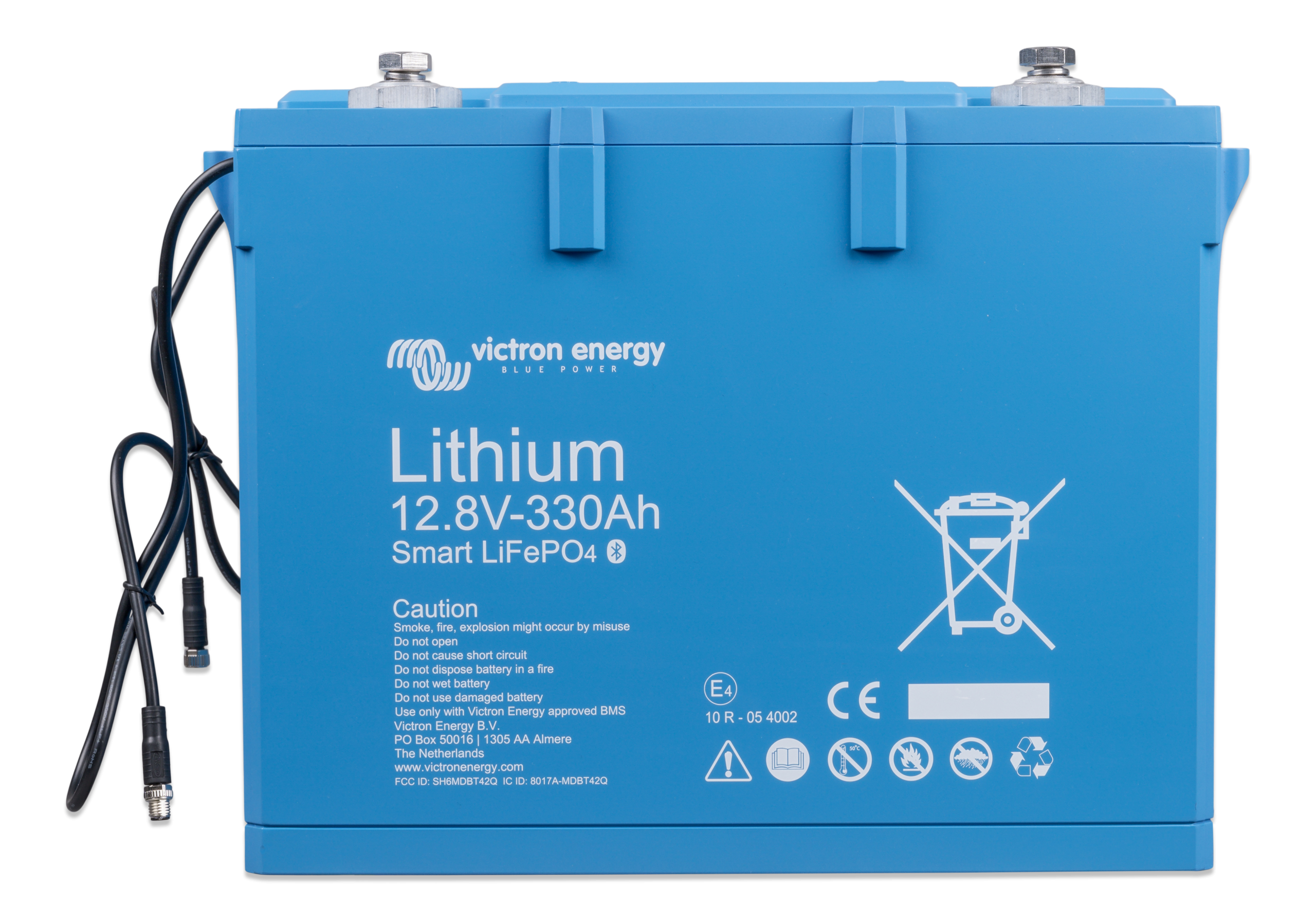
![KAGM12-G 12 (6+6) Module Adjustable Ground Mount [20°-45°-60°] (60 Cell ONLY)](https://dev.solarwyse.ca/wp-content/uploads/solarwyse-media/b226fd5533be-kinetic-kagm12-g-12-6-6-module-adjustable-ground-mount-20-45-60-60-c-mt2153-mounts-00.jpg)
Why Live Off-Grid?
It's not roughing it. It's freedom.
Larry runs a dishwasher, two freezers, and an air conditioner off his solar system. No power bill for almost 20 years. When the grid goes down in a storm, his lights stay on.
Solar Solutions Life in Canada
Be your own electricity provider.
Larry founded Solarwyse in 2005 after converting to the off-grid lifestyle. His first winter showed how much a correctly sized system can reduce household dependence on utility power.
Testimonials
What our valued clients have to say about our business.
What You Should Know
Before you buy a solar system from anyone
Size Your Batteries First
Most people focus on panels, but batteries are what get you through cloudy weeks. Figure out your winter power needs, then work backwards.
Buy Canadian-Certified
Cheap imported kits often aren't CSA-certified. Your insurance company will care. Your inspector will care. All our gear is certified.
Match Your Components
A 48V battery bank needs a 48V charge controller and inverter. Sounds obvious, but we get calls every week from people with mismatched systems.
Get Phone Support
When something's not working at 9pm on a Sunday, you need someone to call. We answer our phones. The big box stores don't.
Plan for Shipping
Batteries are heavy and expensive to ship. We've shipped to Nunavut. Ask for a quote upfront so there are no surprises.
Frequently Asked Questions About Off-Grid Solar
Why should I switch to solar energy?
Honestly? It depends on your situation. If you're in a remote location without grid access, solar is usually your most practical option compared with running new power lines. Larry's own utility use dropped dramatically after going off-grid in 2005. But if you're already connected to inexpensive grid power in a city, the math might not work for you. The real benefit is independence: no outages, no rate hikes, no relying on anyone else.
How many solar panels will I need?
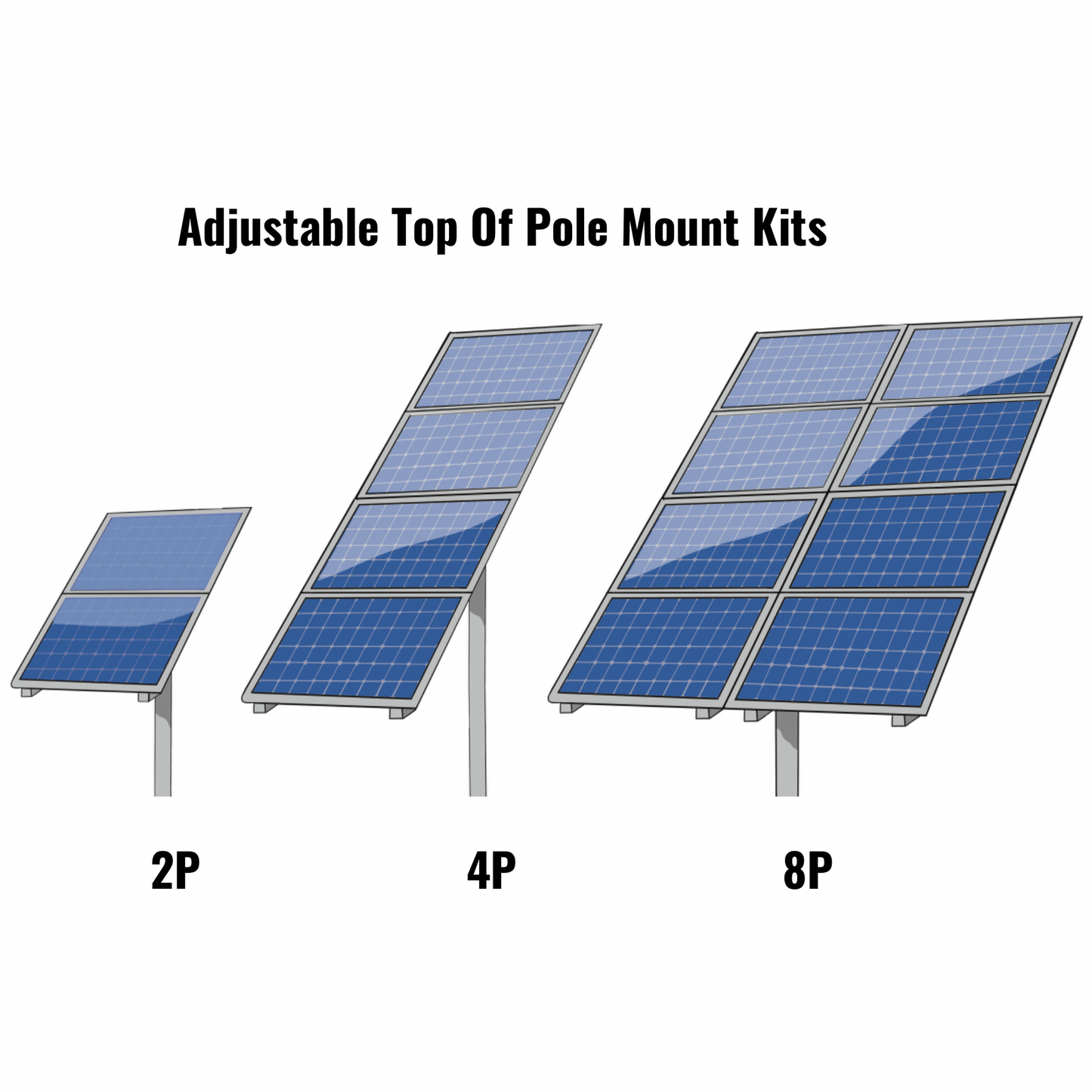
Most people overthink this. For a typical off-grid cabin, you're looking at 4-8 panels. A full-time home needs 8-16. But here's what actually matters: your battery bank and winter consumption. Panels are cheap now—it's the batteries that cost money. Larry always says to size your batteries first, then figure out panels. Call us with your power bill and we'll give you a straight answer in 10 minutes.
Do solar panels work in Canadian winters?
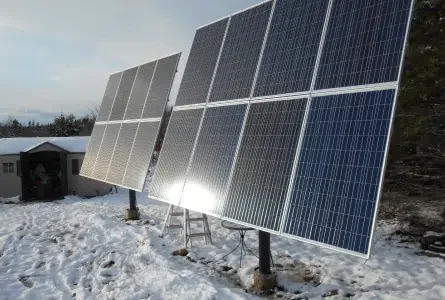
They work better in cold weather, actually. Heat is what hurts panels—cold helps them. The issue is shorter days, not temperature. In northern Alberta, Larry's system produces about 30% of summer output in December. That's why battery sizing matters so much—you need to store enough to get through cloudy stretches. Snow usually slides right off if your panels are angled properly (40°+ in most of Canada).
What's the difference between off-grid and grid-tied?
Grid-tied means you're still connected to the utility—you make power during the day and sell the extra back. No batteries needed. Off-grid means you're completely independent—you need batteries to store power for nights and cloudy days. Most of our customers go off-grid because extending utility service to a remote property can be a major upfront investment. That same effort can build a capable solar system instead.
How long do the panels actually last?
Twenty-five years minimum. Larry's original panels from 2005 are still producing. The panels themselves are the most reliable part—no moving parts, nothing to wear out. Warranties guarantee 80% output after 25 years, but most panels still hit 90%+ at that age. The real replacement cost is batteries: expect to swap those every 10-15 years. That's where you should focus your planning.
Do you install the systems?
We don't do installations ourselves—we're in Beaverlodge, Alberta, and you might be in Nova Scotia. But we've shipped systems to every province and territory, and we'll walk you (or your electrician) through the whole setup over the phone. Most of our kits are designed for DIY installation. The electrical connection should be done by a licensed electrician, but the rest is straightforward if you can follow instructions.
Our Blog
Practical guides, troubleshooting tips, and the stuff we've learned from 20 years of helping people go off-grid. No fluff—just useful information.
-
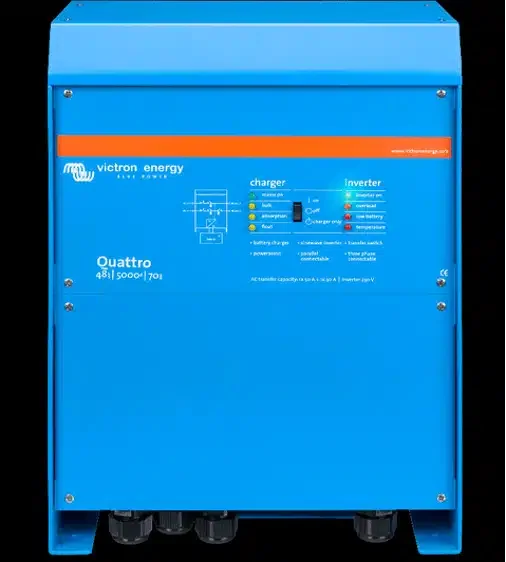
Solar Inverters Explained: String, Hybrid, and Off-Grid
Read More: Solar Inverters Explained: String, Hybrid, and Off-GridThe inverter is the brain of your solar system, not an afterthought. Larry demystifies string, hybrid, and off-grid inverters — and how to choose.
-
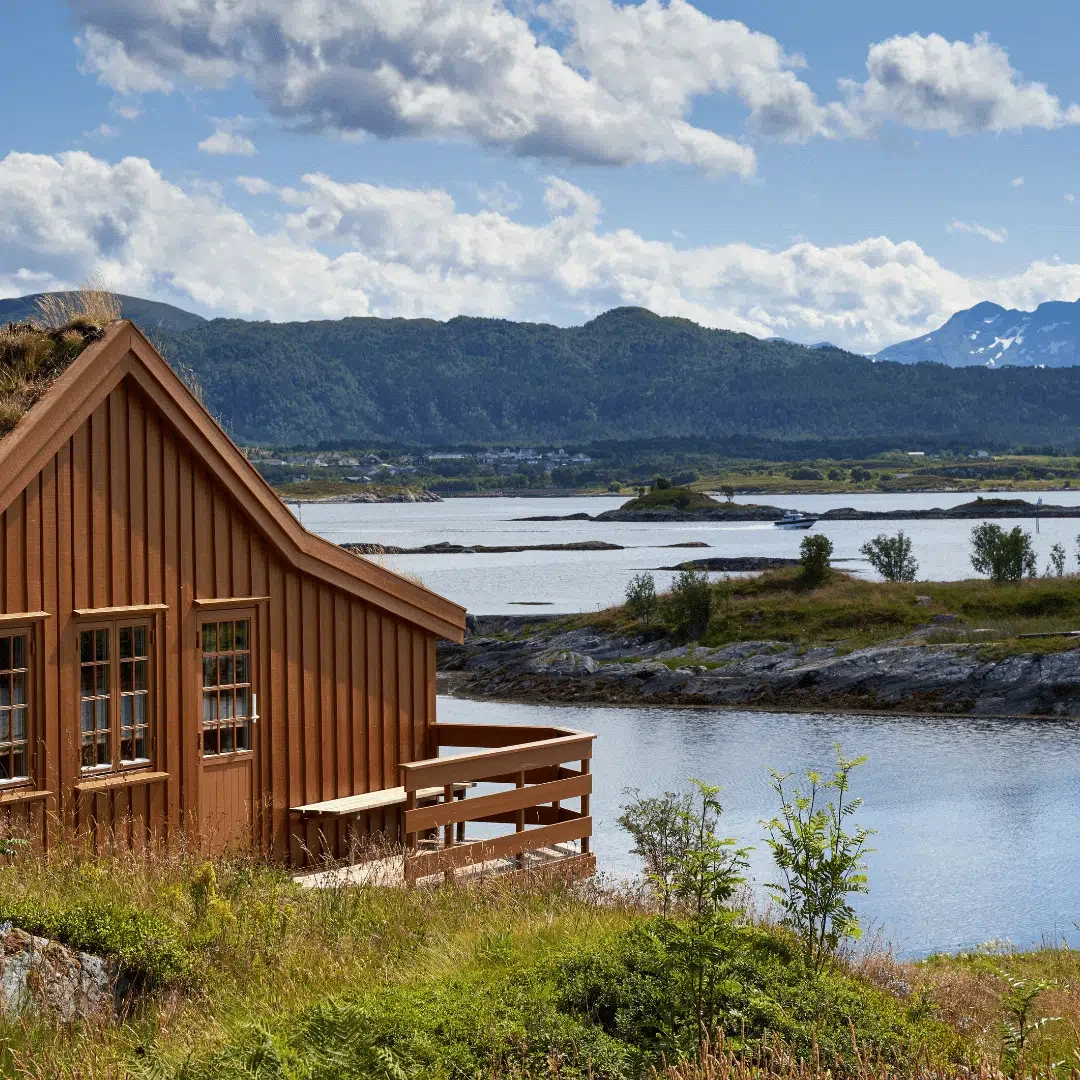
Cabin Solar on a Budget: What to Buy First (and What Can Wait)
Read More: Cabin Solar on a Budget: What to Buy First (and What Can Wait)Cabin solar is where Larry sees the most wasted money — spent in the wrong order. Here's what to buy first, what can wait, and how to build to grow.
-
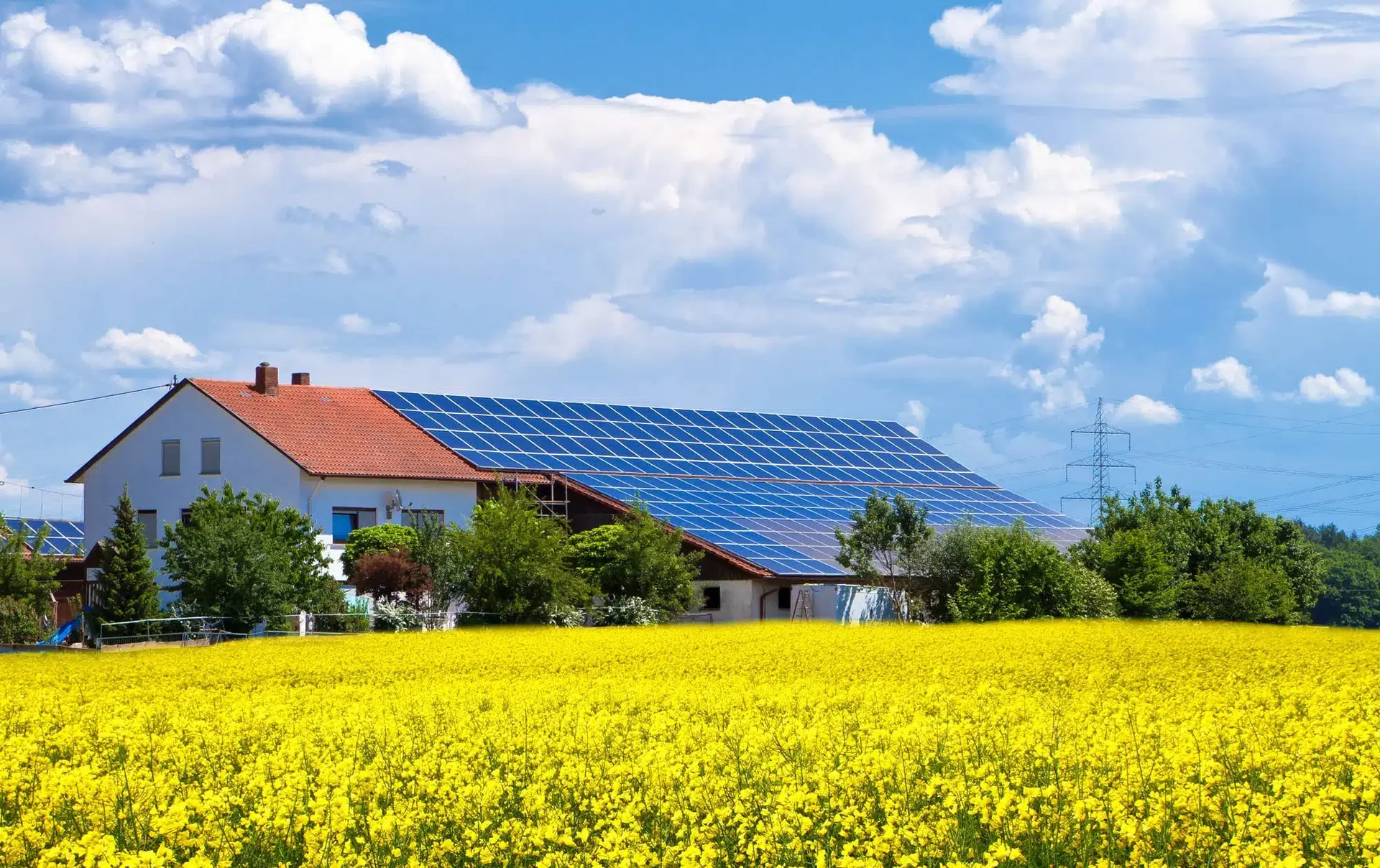
Solar for Farms and Acreages: Powering Wells, Shops, and Outbuildings
Read More: Solar for Farms and Acreages: Powering Wells, Shops, and OutbuildingsOn a farm, the power's needed where the lines don't reach. Larry on solar for wells, shops, and outbuildings — often cheaper than trenching a line.
-
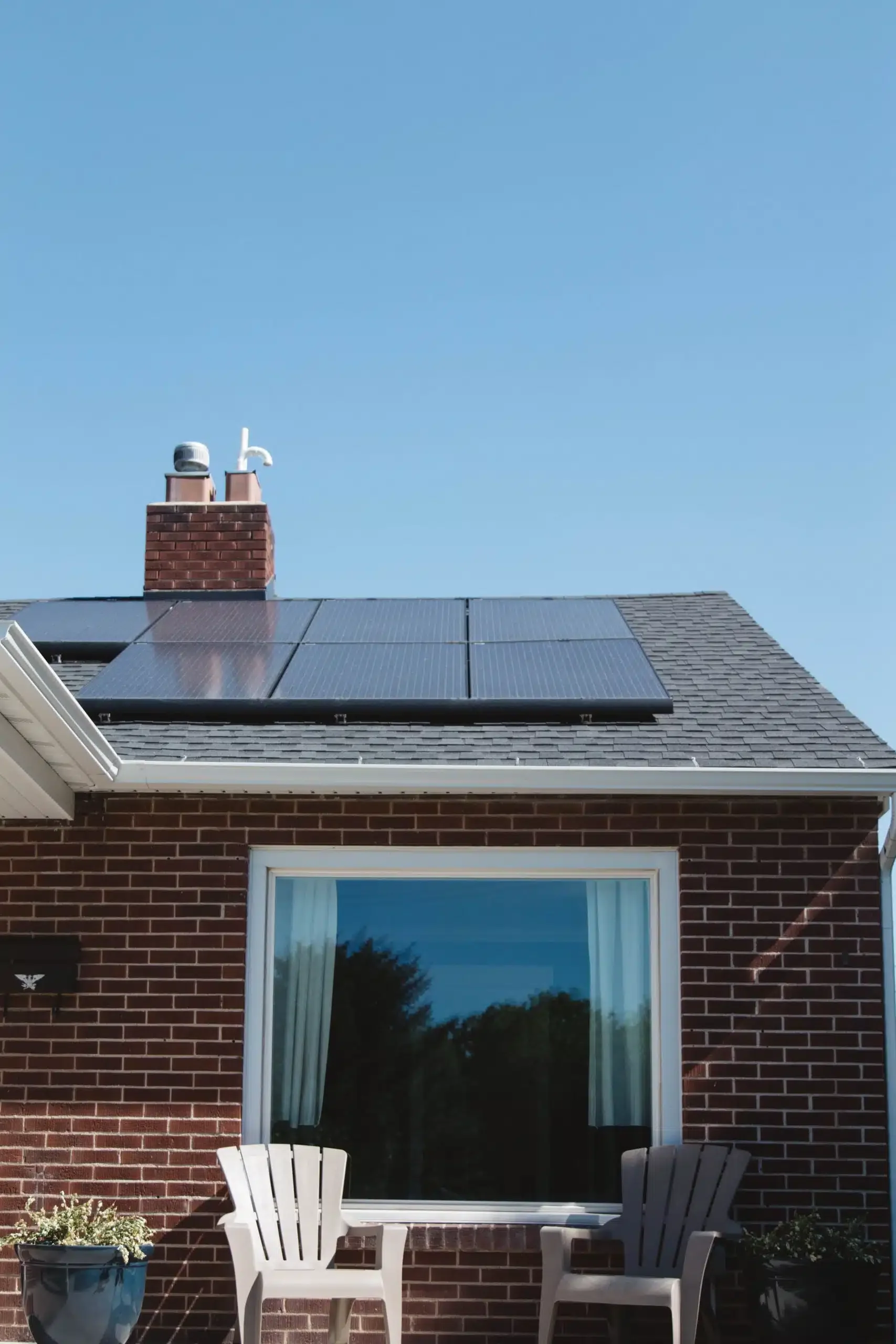
Planning Your Solar Install in Alberta: Timeline, Permits, and Costs
Read More: Planning Your Solar Install in Alberta: Timeline, Permits, and CostsSpring installs go smoothest for the folks who planned over winter. Larry on the real Alberta timeline — permits, inspection, cost drivers, and when to start.
-
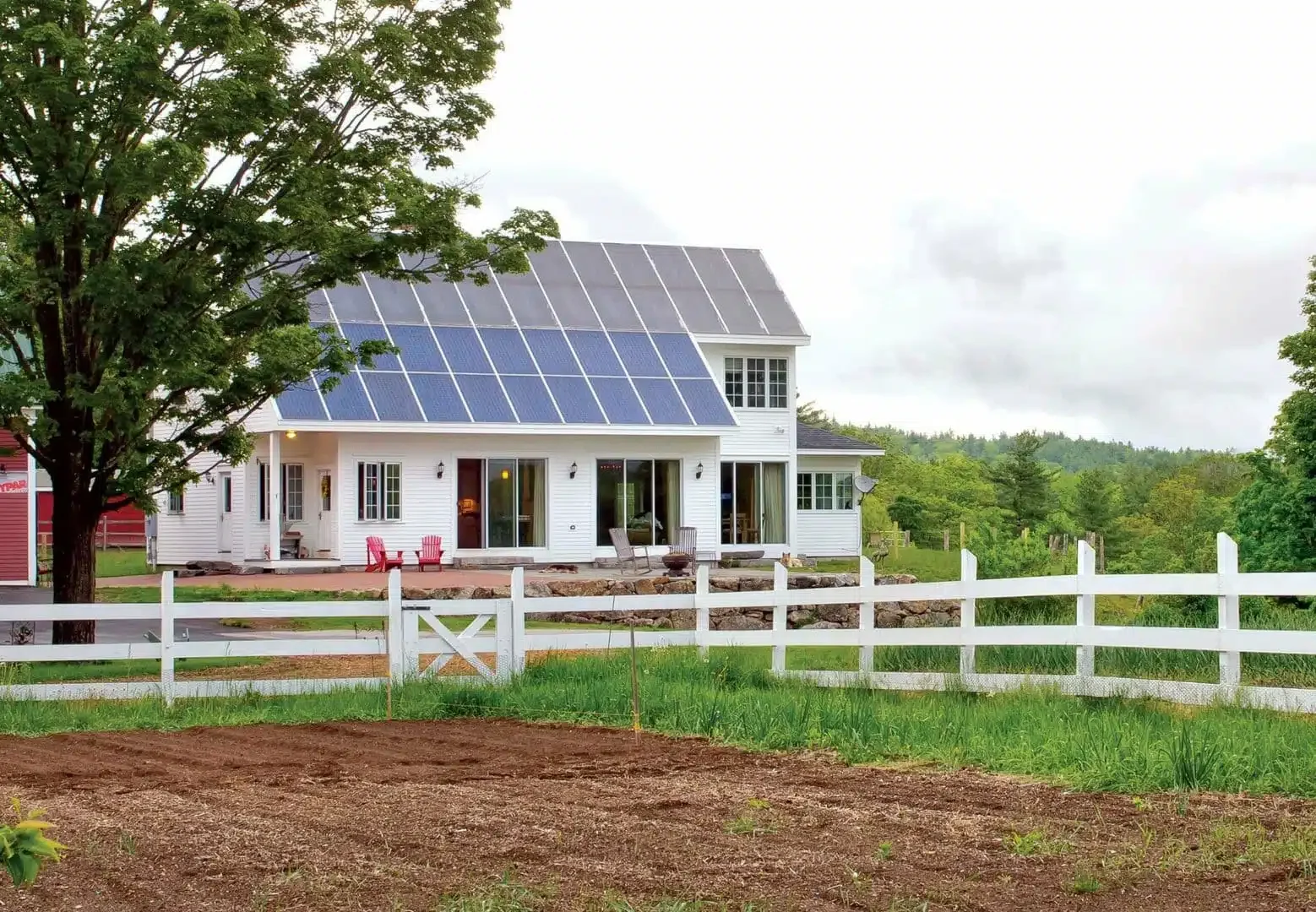
Grid-Tied vs Off-Grid vs Hybrid Solar: Which Is Right for Your Property?
Read More: Grid-Tied vs Off-Grid vs Hybrid Solar: Which Is Right for Your Property?The fork in the road every solar project starts with. Larry lays out grid-tied, off-grid, and hybrid — what each costs, who each fits, and how to choose.
-
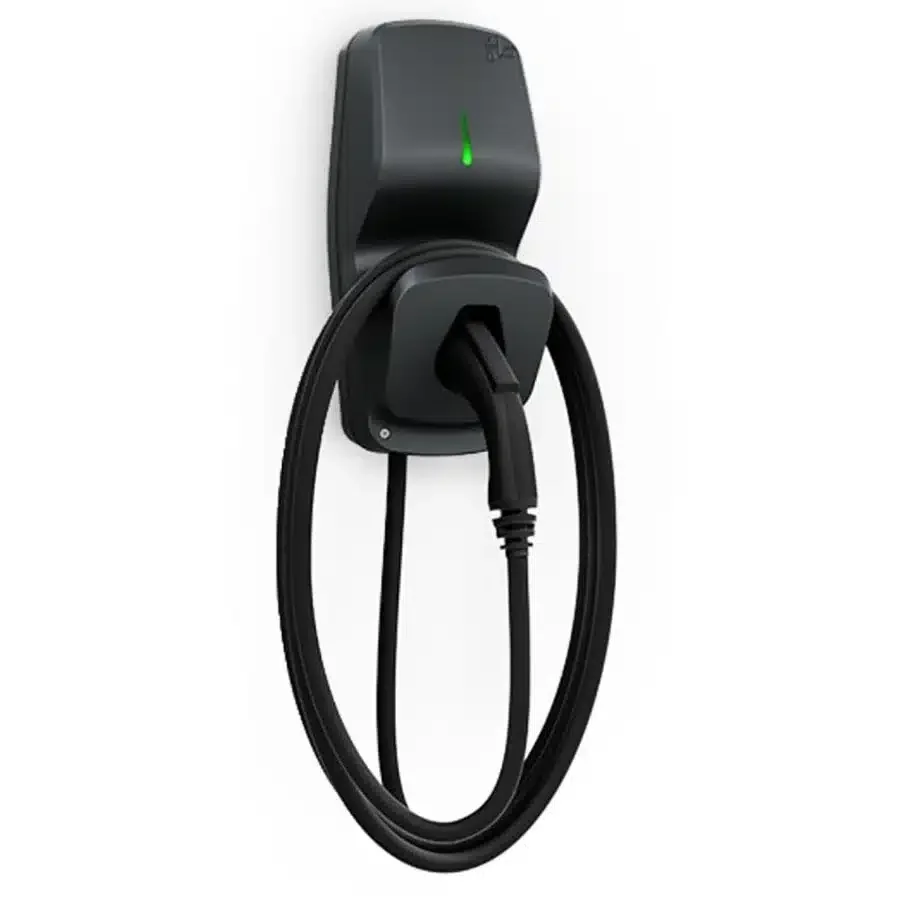
Charging Your EV with Solar in Canada: Home and Off-Grid
Read More: Charging Your EV with Solar in Canada: Home and Off-GridDriving on sunshine is one of the best things you can do with solar. Larry on charging an EV — how many panels, why daytime matters, and the off-grid reality.